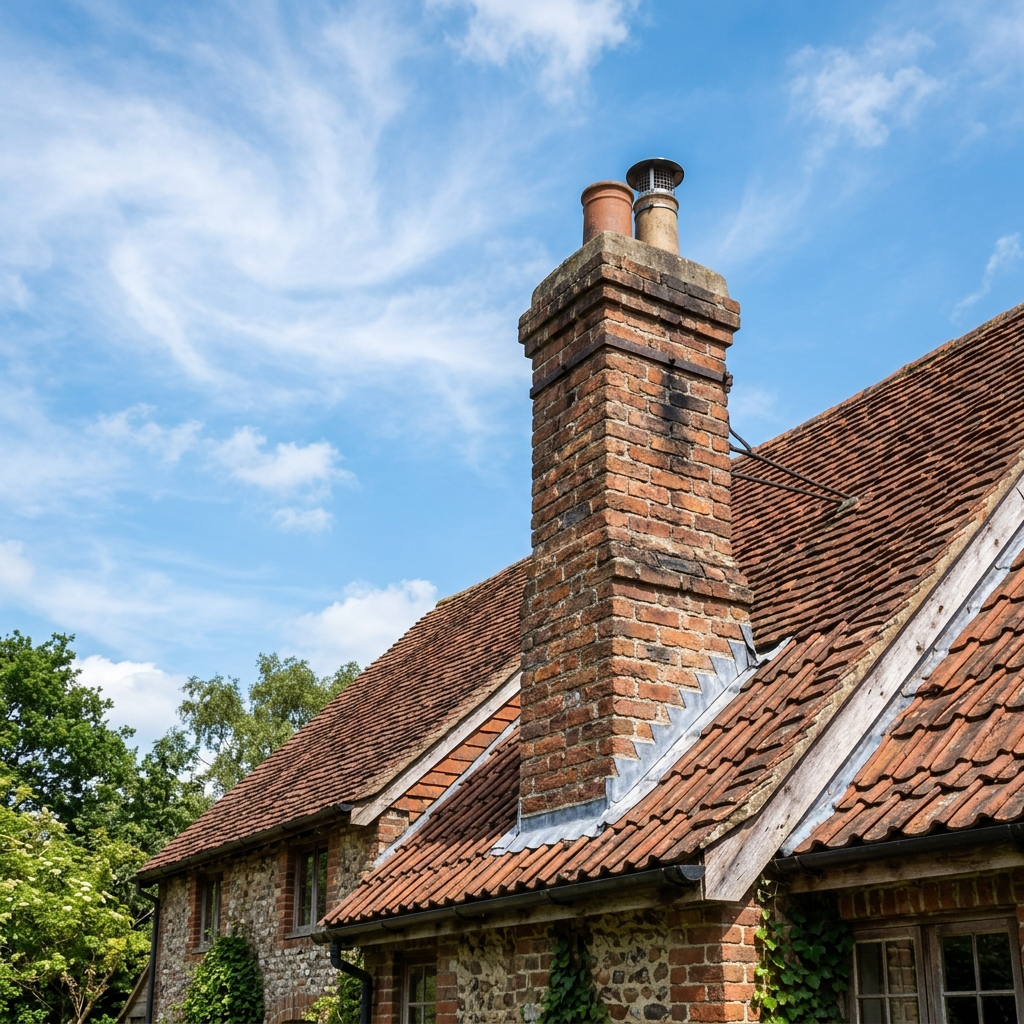
One of the most recurring questions among owners of wood fireplaces, stoves, or biomass boilers is: **how often is it necessary to sweep?** It is often assumed that burning a chimney sweep log from time to time is enough, or that if the chimney is not used daily, it does not require maintenance.
The reality is that leaving the flue dirty reduces thermal performance and seriously endangers the safety of your home. In this article, we analyze what regulations in Spain dictate and what the practical recommendations are according to your type of installation.
What do the legal regulations in Spain say?
Unlike other European countries (such as France or Germany, where annual chimney sweeping is mandatory by law under severe fines), in Spain, regulations at the residential level are more subtle but equally demanding:
- The RITE (Regulation of Thermal Installations in Buildings): In its Technical Instruction IT 3 on preventive maintenance, it establishes that biomass installations with a nominal power equal to or less than 70 kW (which includes practically all domestic chimneys, stoves, and pellet boilers) must be **inspected and cleaned once a year**.
- The Technical Building Code (CTE): Regulates smoke evacuation conditions and fire prevention, highlighting the obligation to keep flues clean and free of combustible accumulations that endanger the building.
- Municipal Ordinances and Insurance: Many municipalities have fire prevention regulations that require keeping the flues clean. Furthermore, in the event of a fire caused by a neglected chimney, **insurance companies can refuse to compensate for damages** if the owner does not present an invoice or certificate of chimney sweeping carried out by an authorized professional.
"The RITE rules that the mandatory maintenance frequency for biomass heat generators up to 70 kW is annual. Skipping this professional technical review invalidates the fire coverage of your home insurance."
Factors affecting soot accumulation
Even though the law requires an annual review, the actual accumulation of flammable residue in your flue varies according to these key factors:
- Frequency and hours of use: Logically, a chimney lit for 10 hours a day throughout the winter will accumulate soot much faster than a decorative fireplace lit for four weekends a year.
- Type of wood burned: Green wood or wood with high humidity (>20%) does not generate enough heat and produces dense, damp smoke that quickly condenses into creosote. The use of resinous woods (such as pine) doubles the rate of accumulation compared to holm oak or oak.
- Efficiency of the flue and the appliance: Traditional open fireplaces burn less efficiently, and the smoke cools down quickly as it rises, depositing more soot. Closed cassettes and inserts burn at much higher temperatures, depositing fewer (but harder) residues.
Recommended frequency in practice
Taking the above factors into account, these are the actual frequencies recommended by professional chimney sweeps and fire departments:
| Type of Use | Typical Installation | Recommended Frequency |
|---|---|---|
| Daily (Main heating) | Pellet stove, boiler, or wood insert in continuous daily use. | Annual (Every winter) |
| Frequent (Evenings and weekends) | Closed fireplace or wood stove lit 3 or 4 times a week. | Every 2 years |
| Occasional (Second home) | Fireplace in a country or weekend house, lit only a few days a year. | Every 3 to 4 years (Especially to rule out nests) |
The Danger of Bird Nests
In spring, birds such as jackdaws (very common in Catalonia) seek the warmth and height of chimneys to nest, sometimes completely blocking the flue with branches, mud, and feathers. Never light the fireplace in autumn after months of inactivity without first performing a visual inspection of the flue.
Conclusion
As a general rule, and to comply with insurance coverage and legal regulations, **you should perform a technical cleaning at least every two years** for conventional wood fireplaces, and **annually** for automatic pellet systems or central heating boilers.
Don't wait to see smoke backing up into the living room or to smell burning; get ahead of the winter and enjoy the fire with the peace of mind of having a clean and safe flue.